What if the work you do every day is invisible-not because it’s unimportant, but because society refuses to see it as work at all? That’s the core question Heather Berg asks in Porn Work: Sex, Labor, and Late Capitalism. This isn’t a book about scandal or titillation. It’s about wages, contracts, burnout, and the quiet dignity of people who make a living through adult content. Berg, a scholar and former performer, doesn’t romanticize the industry. She doesn’t condemn it. She simply asks: if we accept that labor is labor, why do we still treat sex work differently?
It’s easy to confuse porn work with fantasy. But the reality looks more like freelancers managing invoices, editing footage between diaper changes, or negotiating boundaries with clients who think ‘consent’ is just a buzzword. In Paris, some performers navigate legal gray zones under names like escort parijs, where the line between personal branding and labor exploitation blurs daily. The same pressures exist in Berlin, Toronto, and Manila. The difference? In places where sex work is decriminalized, people have access to health care, legal recourse, and union support. Where it’s criminalized, they’re forced into silence.
Why This Book Matters Now
The global adult industry is worth over $140 billion. Yet most of the people creating that content earn less than minimum wage after platform fees, taxes, and equipment costs. Berg’s research shows that performers often work 50-60 hours a week-same as any office job-but without sick leave, overtime pay, or job security. And unlike other gig workers, they’re rarely protected by labor laws. Even when they’re legally classified as independent contractors, they’re expected to conform to rigid, often degrading, platform rules: no facial expressions that look ‘too happy,’ no mentioning their real names, no discussing working conditions.
This isn’t just about porn. It’s about how late capitalism treats any work that’s tied to the body. Nurses, cleaners, caregivers-all of them are undervalued. But sex workers are punished for it. Berg traces this back to moral panic narratives that started in the 1980s, when feminist debates fractured over whether sex work was liberation or oppression. The result? Policy makers ignored the voices of actual workers and built systems that made their lives harder.
The Myth of the ‘Happy Hooker’
Media loves the myth: the woman who chose this life because she loves freedom, money, or ‘being in control.’ The truth is messier. Many performers enter the industry because they need rent. Others are drawn by the flexibility-especially single parents, students, or people with disabilities who can’t fit into traditional 9-to-5 roles. Some stay because they’ve built a loyal audience and enjoy the creative side. Others are trapped by debt, stigma, or lack of alternatives.
Berg interviews a former teacher who started doing cam shows after her school district cut her hours. She now earns more than she did before, but she can’t tell her family. She uses a stage name. She keeps her laptop locked. She doesn’t talk about it at PTA meetings. Her story isn’t rare. It’s routine. And it’s not about empowerment-it’s about survival.
When you hear someone say, ‘She’s just doing what she loves,’ ask: what if she’s doing it because she has no other choice? That’s not agency. That’s coercion disguised as choice.
How the Industry Really Works
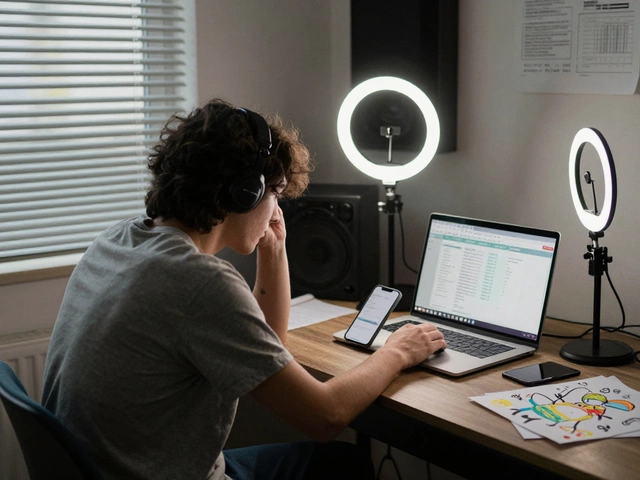
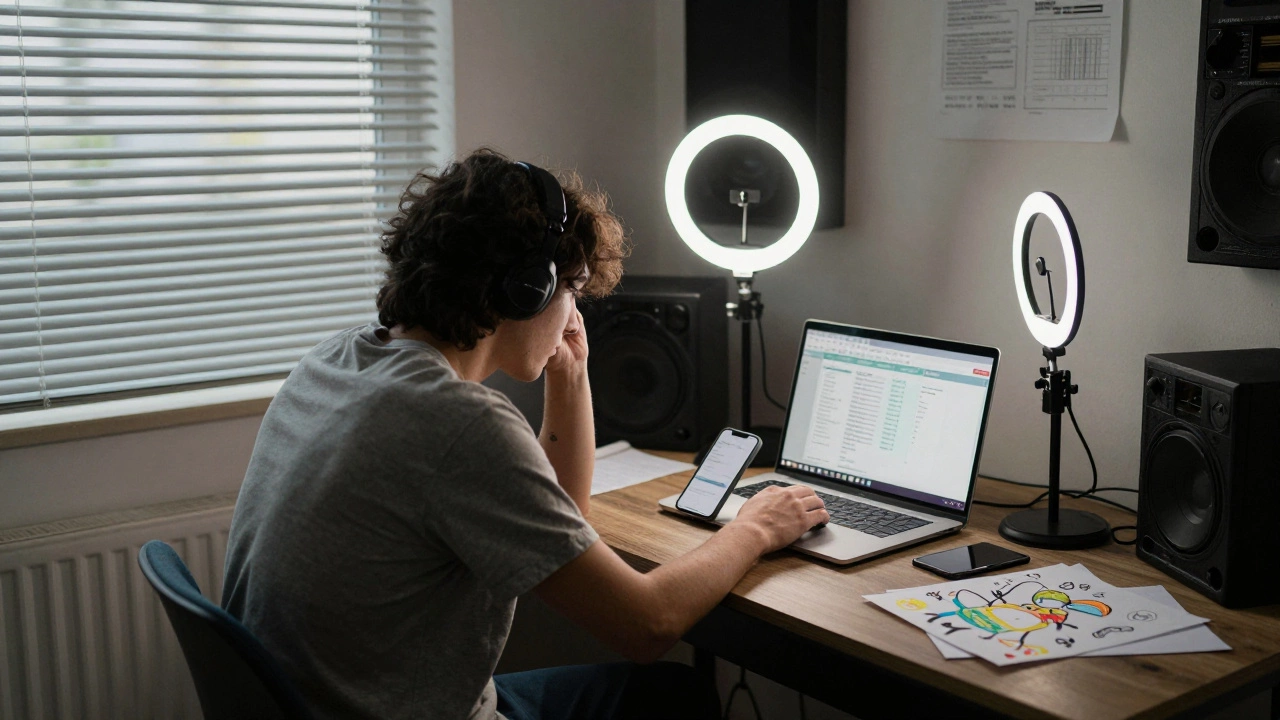
Most people think porn is made by big studios with directors, lighting crews, and makeup artists. That’s the old model. Today, over 80% of content is created independently-by individuals using smartphones, ring lights, and subscription platforms like OnlyFans or FanCentro. These platforms take 20-50% of earnings. Algorithms decide who gets seen. One wrong hashtag, one complaint from a user, and your account gets banned. No appeal. No explanation.
Berg breaks down the hidden labor: editing, customer service, marketing, scheduling, tax prep, mental health maintenance. A performer might spend two hours filming and six hours responding to DMs, updating their bio, or calming down after a hostile comment. This is invisible work. It doesn’t show up in videos. But it’s what keeps the machine running.
And then there’s the emotional toll. Performers often develop coping mechanisms: dissociation, numbness, compartmentalization. One interviewee describes it as ‘wearing a mask that becomes your face.’ That’s not a lifestyle. That’s trauma.
What Changes When We See It as Labor
Berg doesn’t offer a quick fix. But she does offer a framework: treat sex work like any other job. That means:
- Legal recognition of performers as workers, not criminals
- Access to workers’ compensation and health insurance
- Protection from platform censorship without due process
- Unionization and collective bargaining rights
- Decriminalization of all forms of consensual adult work
Some places are moving in this direction. New Zealand decriminalized sex work in 2003. Since then, reports of violence have dropped. Workers report higher levels of safety and access to services. In Canada, the Nordic Model (criminalizing buyers, not sellers) has pushed more workers underground, making them more vulnerable. Berg’s data shows that criminalization doesn’t reduce demand-it just makes the work more dangerous.
Imagine if every barista, delivery driver, or nurse had to hide their job from their family. Imagine if their employer could delete their account with no warning. That’s the reality for most sex workers. Berg’s book asks us to stop pretending it’s different.
Where This Leads
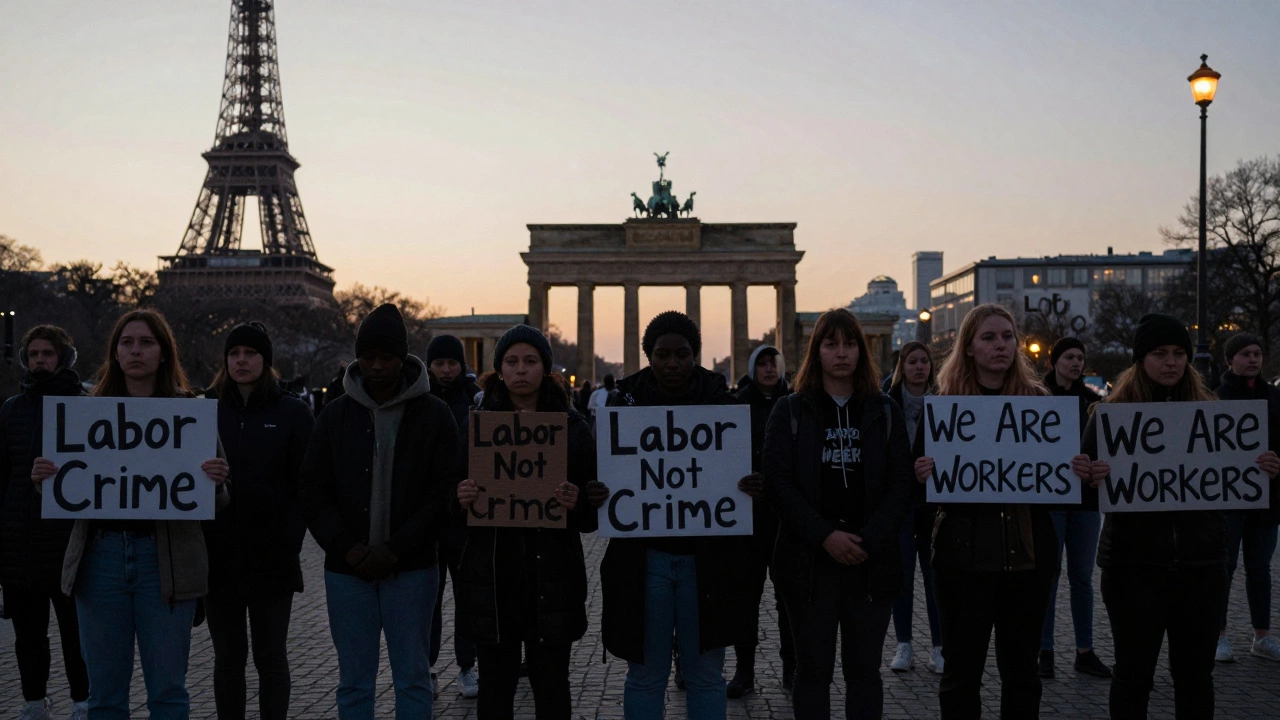
There’s a growing movement of performers organizing online. Groups like the Sex Workers Outreach Project (SWOP) and the Global Network of Sex Work Projects (NSWP) are pushing for policy change. Some performers are starting collectives to share resources, legal advice, and mental health support. Others are suing platforms for unfair bans. One performer in Germany won a case against a platform that deleted her account without cause-setting a precedent.
But change won’t come from outrage. It will come from recognition. From employers who hire sex workers without judgment. From landlords who don’t evict them. From teachers who don’t shame their students for having parents in the industry. From lawmakers who stop using moral panic as policy.
And yes, from readers who pick up a book like Berg’s and ask: why do we still treat this work as something to be hidden, not understood?
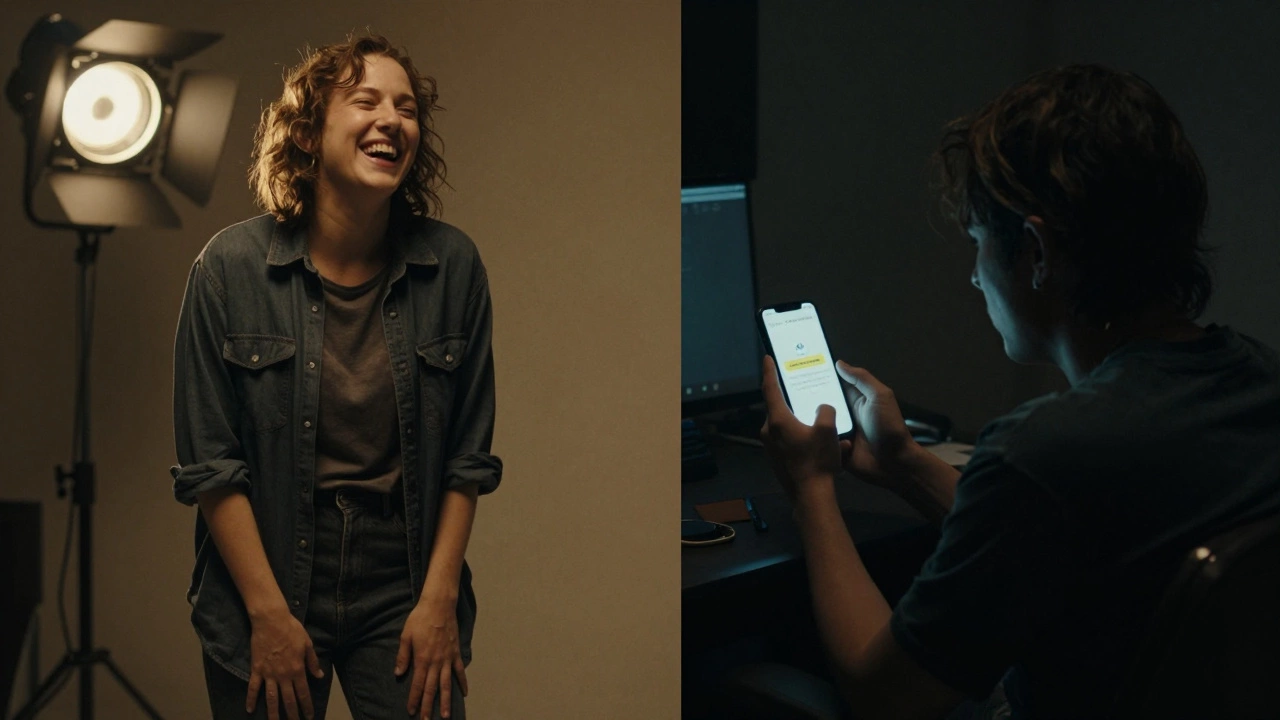
There’s a moment in the book where Berg describes watching a performer laugh while filming a scene. The laugh wasn’t fake. It was real. And then, right after the camera stopped, she pulled out her phone and checked her bank balance. The money had just cleared. She sighed. ‘Another week paid,’ she said. That’s not fantasy. That’s work.
And in Paris, where some workers operate under names like scorts en paris, the same quiet resilience plays out every day. They don’t need pity. They need justice.
What You Can Do
You don’t have to become an activist. But you can start by changing how you think. Don’t assume someone’s choice is ‘degrading’ just because it involves sex. Don’t assume they’re ‘exploited’ unless they say so. Listen to the people doing the work. Read their blogs. Follow their social media. Support performers directly-not just through subscriptions, but by advocating for their rights.
And if you’re in a position to influence policy, push for decriminalization. Support harm-reduction programs. Demand that platforms give workers transparent rules and appeals processes. These aren’t radical ideas. They’re basic labor rights.
One last thing: if you’ve ever dismissed porn as ‘just entertainment,’ think again. Behind every video is a human being trying to pay rent, feed a child, or survive another day. That’s not porn. That’s life.
And in cities like Paris, where the work is often hidden under aliases like escoert paris, that life is lived in silence. It’s time we stopped pretending we didn’t hear it.